 4.8 OUT OF 5
 Jesse Enkelaar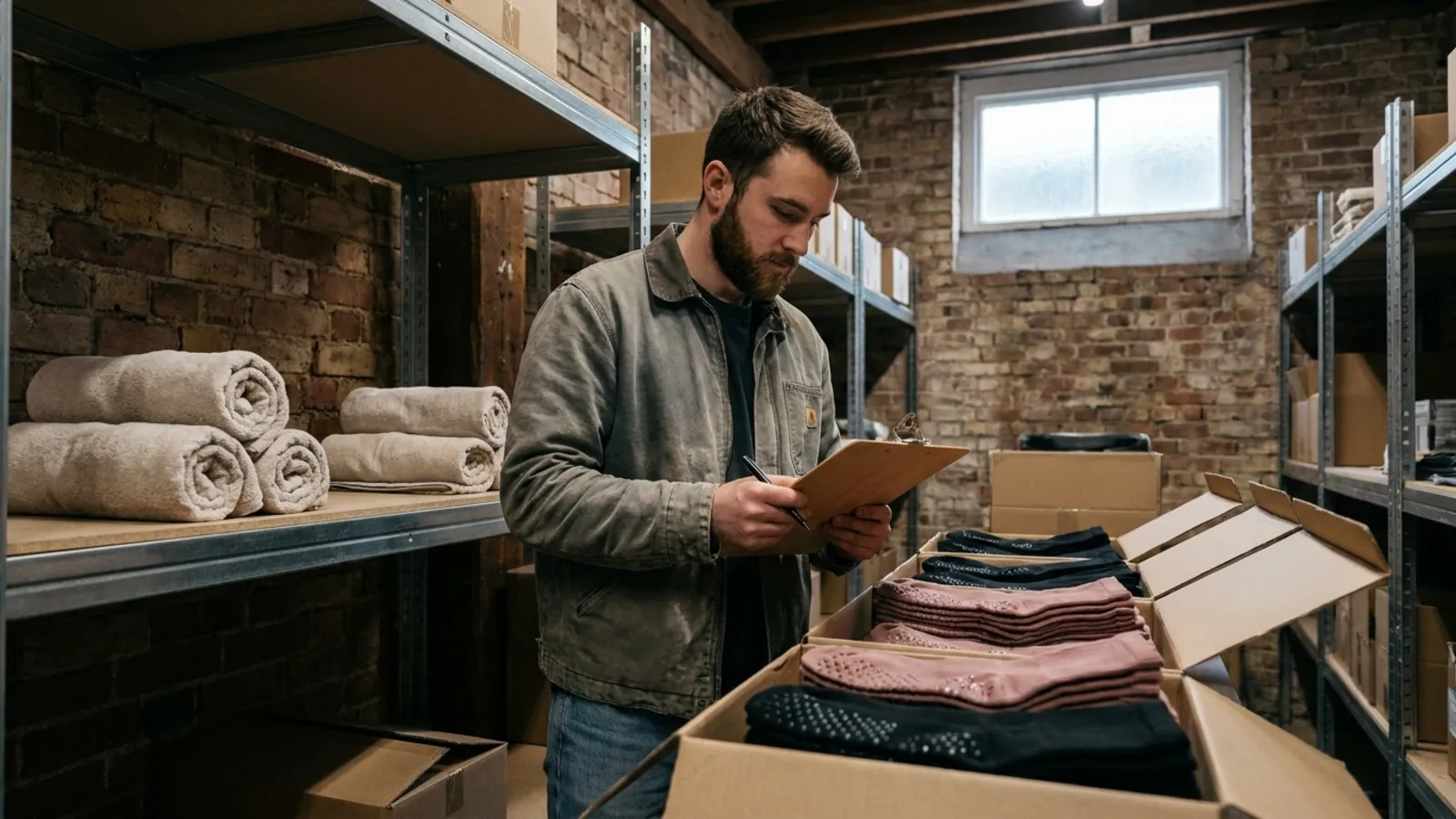
Factory minimums for custom grip socks with your own logo typically start at 500 to 1,000 pairs per design and colorway. Plain, non-logo grip socks can go lower, but custom logo grip almost always sits in the hundreds or thousands. That single number is the main reason most studios do not buy direct.
Minimum order quantity, or MOQ, is where many direct sourcing plans quietly fall apart. The per-pair price looks great until you see how many pairs you have to buy to get it, and how many separate minimums a small range can trigger.
This article is for studio owners planning a first or second sock order. It explains why factory minimums are high, how they are counted, how a specialist can start at 50 pairs, and how to work out the quantity your studio actually needs.
Why factories set minimums so high
Custom grip socks are not pulled off a shelf. The factory has to set up a knit program for your design, match your colors, and prepare the grip application with your logo. That setup takes machine time and labor whether you order 200 pairs or 2,000.
To make the setup worthwhile, the factory spreads that fixed cost across a large run and sets a minimum that protects its margin. The more custom the sock, the higher the minimum tends to climb. The main drivers are:
- Your own colors. Matching brand colors means dyeing or sourcing specific yarn instead of using what is already on the machines.
- Your logo in the grip on the sole. A custom grip pattern needs its own setup, separate from the knit.
- A specific height or construction. Every variation is another program to set up and run.
The minimum usually applies per design and per color
This is the part that catches people out. The minimum almost always applies per design and per colorway, not per total order. If you want your logo sock in black and in dusty pink, that can be two separate minimums, not one. Add a second sock height and you may split it again.
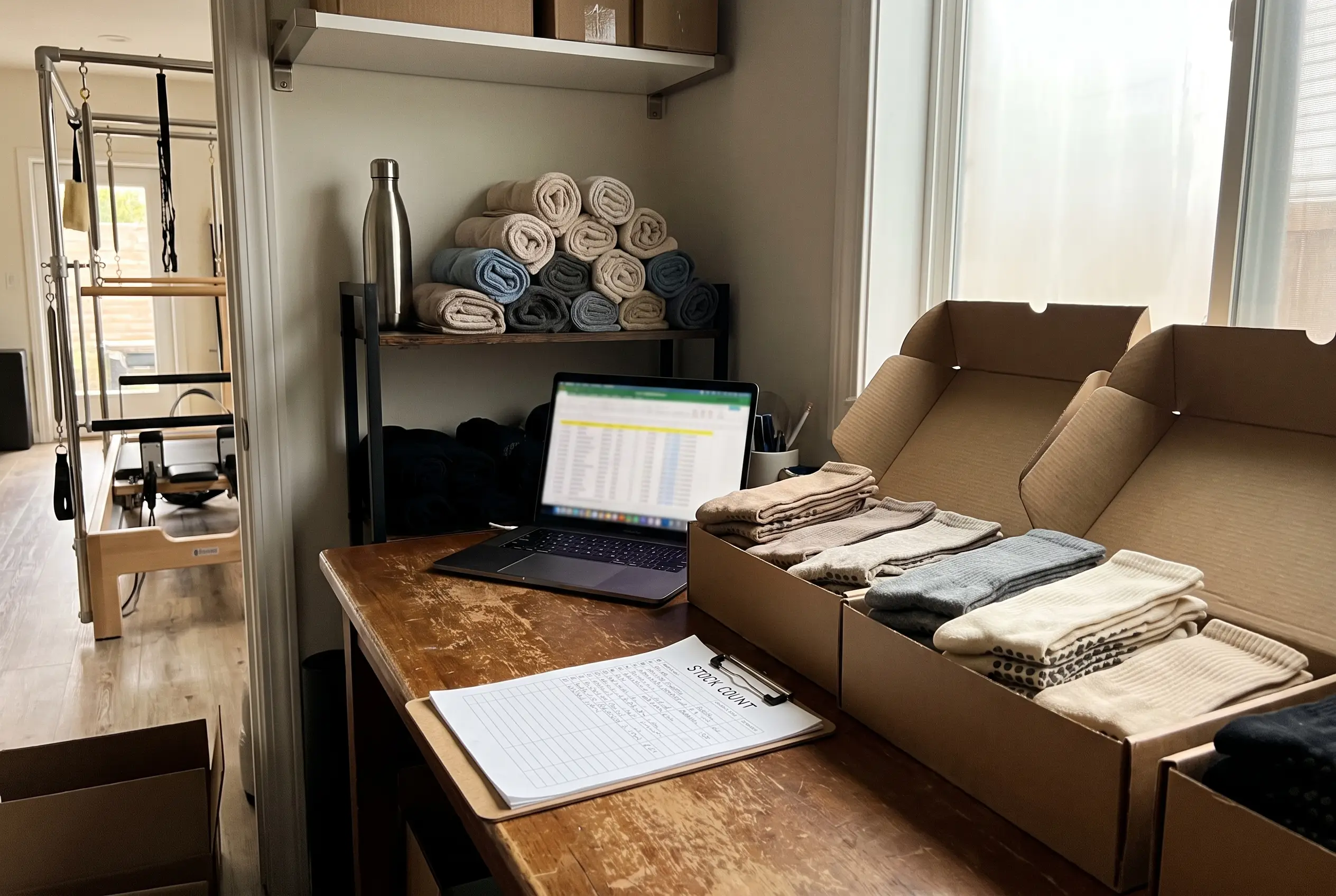
A quick example shows how fast this adds up. A small range of two colors in two heights can mean four separate minimums. At 500 to 1,000 pairs each, that is 2,000 to 4,000 pairs before you have sold a single one. A studio that wants a small, varied range hits the minimum several times over, which is exactly the situation most single studios are in.
What about sizes?
Grip socks are often sold in size bands rather than exact sizes, which helps. A factory may still want a spread across the bands, and you need enough of each size to avoid running out of the popular ones while the outer sizes sit on the shelf.
The practical effect is that 1,000 pairs is not 1,000 of one thing you can sell easily. It is a quantity you then have to move through your studio over months or years. For a boutique studio, holding that much of a single design ties up cash and shelf space, and it locks you into one look long after you might want to refresh it.
How a specialist gets the minimum down to 50 pairs
Specialist suppliers combine demand. Because they run programs for many studios, the factory setup is shared across clients instead of being carried by you alone. You are buying into an existing program rather than commissioning your own from scratch, which is why a specialist can offer a minimum a factory never will.
At PilatesGoods, a custom sock manufacturer for studios, the minimum is 50 pairs. Roughly, the tiers work like this:
- 50 to 99 pairs. Your own socks with a standard grip pattern on the sole, such as dots.
- From 100 pairs per color. A custom logo grip on the sole becomes possible. Our article on putting your studio logo on the grip explains what that involves.
- 500 pairs or more. A lower price per pair.
Within those tiers you can choose a mid-rise or high-rise sock and branding by jacquard knit or embroidery, and the quantity you order is the quantity delivered.
Starting small has a practical upside beyond cash flow. A first order of 50 or 100 pairs shows you which colors and sizes your members actually buy, so your next order can be based on real sales instead of guesses. A sensible approach is to start with one color and add a second once the first has proven itself, which keeps each line at a quantity you can realistically sell. If you plan to sell socks in your studio shop rather than give them away, that sales data is worth more than a lower price on stock you may never move.
How to work out the quantity your studio actually needs
Start from sales, not from the price break. A studio of 150 active members might move a few hundred pairs a year across all designs, not thousands of one design. Match your order to that reality with a few simple steps:
- Count your active members, not your total sign-ups.
- Look at how many pairs you sold or gave away last year, if you have that data.
- Add planned uses beyond retail, such as welcome packs for new members or socks for instructors.
- Split the total by design and color, because that is how minimums are counted.
- Compare each line with the minimum that applies to it.
If your honest annual number for a single design is in the low hundreds, a factory minimum is a poor fit. Buying more than you can sell does not lower your cost per pair in practice. It just moves the cost into unsold stock. The full cost picture, including freight, duty and VAT, is covered in our article on the cost to import custom socks from China.
Minimums compared
| Route | Standard grip | Custom logo grip | Minimum applies per |
|---|---|---|---|
| Direct from a factory | 300 to 700 or more pairs | 500 to 1,000 or more pairs | Design and color |
| PilatesGoods | From 50 pairs | From 100 pairs | Color, at a far lower level |
The minimum order, not the per-pair price, usually decides whether direct sourcing is even an option. If your volume does reach factory levels, the other factors still matter, and our overview on whether to order custom grip socks directly from a factory in China walks through them.
Before you ask for a quote
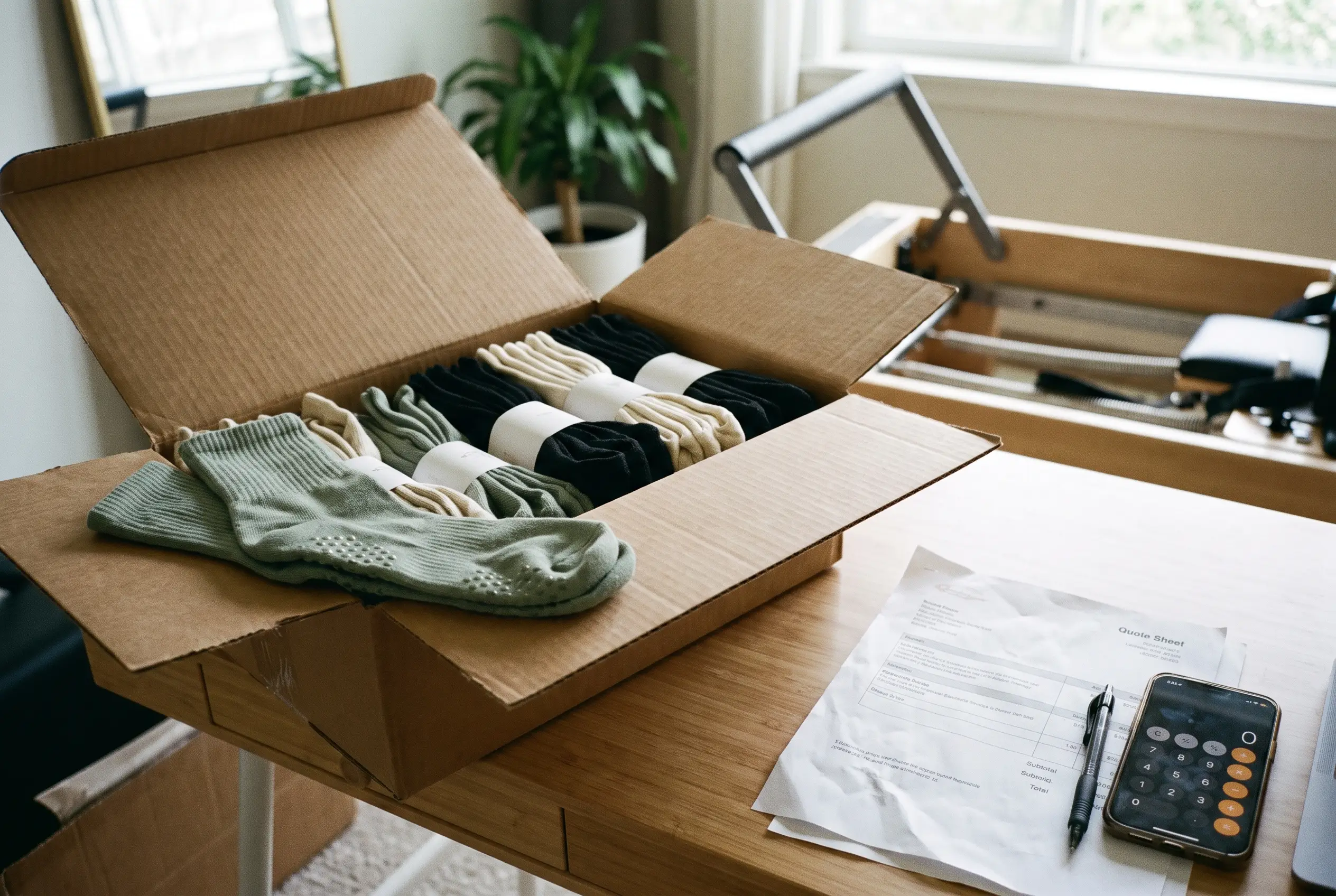
Having your numbers ready makes any quote more useful and easier to compare. Before you contact a factory or a specialist, write down:
- Your realistic annual quantity per design and per color.
- Whether you need a standard grip or your logo in the grip.
- The sock height and branding method you prefer.
- How many colors you want, and whether you could start with one.
- Where the socks will be used: retail, welcome packs, staff or all three.
With that list in hand, you can check which tier fits your studio in the PilatesGoods pricelist and see how the price per pair changes as your quantity grows.